
Introduction to Building a Creative Art Station for Kids
In a world where digital screens often dominate children’s attention, crafting a creative art station at home offers a rejuvenating escape into the world of imagination and hands-on creativity. This dedicated space not only encourages artistic exploration but also serves as a nurturing ground for development and expression, aligning seamlessly with the goals of both parents and educators. A well-equipped art station ignites curiosity, fosters independence, and cultivates problem-solving skills—all crucial components in a child’s growth journey.
Designing an art station doesn’t have to be a daunting task. With a thoughtful approach, parents can create a welcoming environment that speaks to the child’s interests, providing them with the tools to explore their creativity freely. Start by choosing a well-lit, accessible area that can comfortably house art supplies and allow for uninhibited expression. Whether it’s a corner of the living room or a dedicated playroom, the space should be inviting and organized, making it easy for little hands to navigate.
Consider integrating a variety of materials such as crayons, watercolors, paper, and clay, ensuring a diverse range of activities that cater to different artistic interests. By fostering an atmosphere of creativity and learning, parents can help nurture a child’s love for art, all while enjoying the added benefit of contributing to their cognitive and emotional development.
Understanding the Importance of Creativity in Child Development
In the vibrant world of childhood, creativity isn’t merely a delightful pastime—it’s a cornerstone of development. Encouraging creativity from a young age can have a profound impact on a child’s cognitive, social, and emotional growth. It nurtures problem-solving skills, fosters emotional expression, and enhances their ability to communicate effectively. Children who engage in creative activities often develop a stronger capacity for critical thinking and adaptability, key skills in navigating the complexities of modern life.
Creativity also plays a vital role in boosting confidence and self-esteem. As children express themselves through art, music, or imaginative play, they gain a sense of accomplishment and learn to trust their instincts and ideas. This self-assurance can extend into other areas of their lives, encouraging them to take on challenges with a positive outlook.
Moreover, creative activities provide a safe space for children to explore their feelings and thoughts. This exploration can lead to better emotional intelligence, as they learn to understand and manage their emotions, a crucial skill for effective interpersonal relationships.
Creating a dedicated art station at home not only encourages these benefits but also establishes a routine that emphasizes the value of creativity in everyday life. By integrating creative practices into their daily activities, children can develop a lifelong appreciation for art and innovation, setting a foundation for future success.
Essential Elements of a Functional Art Station
Creating a creative art station for kids at home can be a delightful endeavor, offering them a dedicated space to explore their imagination and refine their artistic skills. To ensure the station is both functional and inspiring, it’s crucial to incorporate several key elements. Begin with a surface that accommodates both small and expansive projects. A sturdy table or desk that is at a comfortable height for the child is ideal, ensuring they can work without discomfort.
Storage is another vital component. Opt for shelves or drawers that can organize art supplies like crayons, paints, brushes, and paper. Clear containers or labeled bins make it easy for children to find what they need and encourage them to keep their space tidy. Furthermore, having a variety of materials easily accessible fosters creativity and allows for spontaneous artistic expression.
Lighting is pivotal; natural light is best, but if that’s not feasible, ensure there’s adequate artificial lighting to prevent eye strain. Including a mood board or inspiration wall can stimulate creativity, allowing children to pin up their artwork or images that inspire them. This not only personalizes their space but also provides a sense of accomplishment as they see their creations displayed.
Lastly, consider incorporating a comfortable chair, ensuring it’s ergonomically suitable for your child. This encourages longer, more focused art sessions. By thoughtfully integrating these elements, you not only create a functional art station but also nurture a child’s passion for art, providing them with a haven for creativity and self-expression.
Choosing the Right Location and Space for the Art Station
Creating a dedicated art station for kids at home is more than just setting up a table and chair; it’s about crafting a space that inspires creativity and nurtures imagination. Selecting the right location for this art station is crucial to its effectiveness. Begin by identifying a space that is easily accessible yet distinct from high-traffic areas. This ensures that children can focus on their artistic endeavors without constant interruptions.
Consider areas with natural light, such as near a window, which can enhance the drawing and painting experience. If natural light isn’t available, invest in good quality, adjustable lighting to mimic daylight as closely as possible. Adequate lighting not only helps in seeing colors vividly but also prevents eye strain during longer art sessions.
Space Requirements
- Ample Room for Movement: Ensure there’s enough space for kids to move around freely. This encourages them to explore different forms of art, from painting on easels to spreading out on the floor for larger projects.
- Storage Solutions: Incorporate shelves or storage bins to keep art supplies organized. This helps in maintaining a clutter-free environment, making it easier for children to find what they need and foster a sense of responsibility for tidiness.
- Personalization: Allow children to personalize the space with their artwork or favorite colors. This not only makes the area more inviting but also boosts their confidence and sense of ownership.
By thoughtfully choosing the location and ensuring the space is equipped with essential features, you create an inviting and functional art station that can become a beloved creative hub in your home.
Recommended Art Supplies and Tools for Kids
Creating an inviting and inspiring art station at home for kids is a delightful way to nurture their creativity and imagination. To establish a successful art space, it’s essential to stock it with the right supplies and tools that cater to the budding artist’s needs. This selection not only encourages artistic expression but also supports the development of fine motor skills and problem-solving abilities.
Essential Art Supplies
- Crayons and Colored Pencils: These are staples in any child’s art kit. Opt for non-toxic, easy-grip options that are perfect for little hands.
- Washable Markers: Ideal for vibrant drawings, washable markers ensure cleanup is a breeze, allowing kids to experiment without the worry of permanent stains.
- Watercolor Paints: Introduce children to the world of painting with watercolors. Choose a set that includes a variety of colors to spark their imagination.
- Sketch Pads and Construction Paper: Provide various types and sizes of paper to give children the freedom to choose how they wish to express their creativity.
Tools to Enhance Creativity
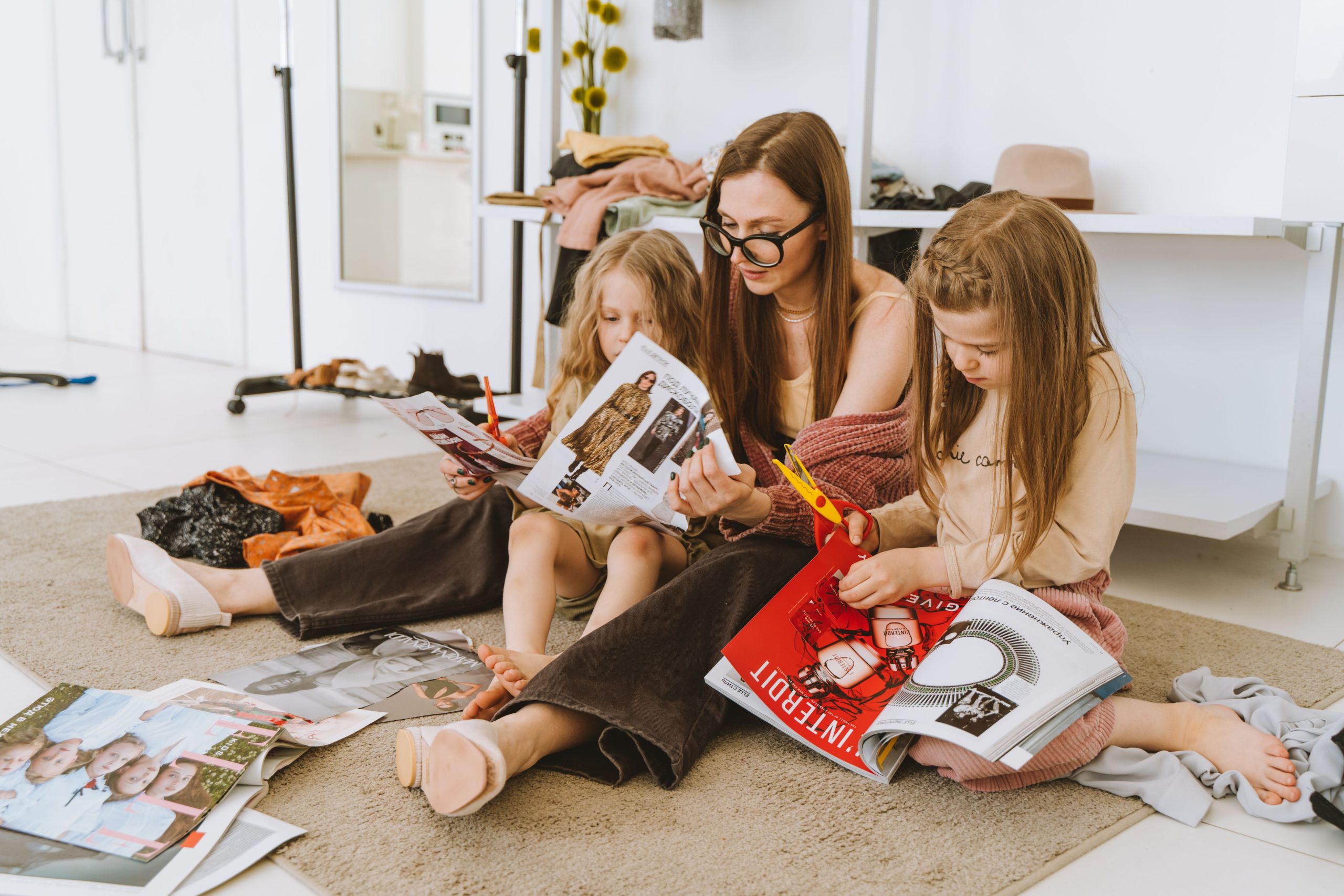
- Safety Scissors: Encourage cutting and crafting with safety scissors designed for children, promoting dexterity and creativity.
- Glue Sticks and Tape: Essential for collages and crafts, these tools allow kids to explore mixed-media projects.
- Stencils and Stickers: Perfect for adding detail and dimension to their artwork, stencils and stickers can transform simple creations into masterpieces.
By equipping your child’s art station with these carefully chosen supplies and tools, you not only foster a love of art but also provide them with the resources to explore their creativity freely.





0 Comments